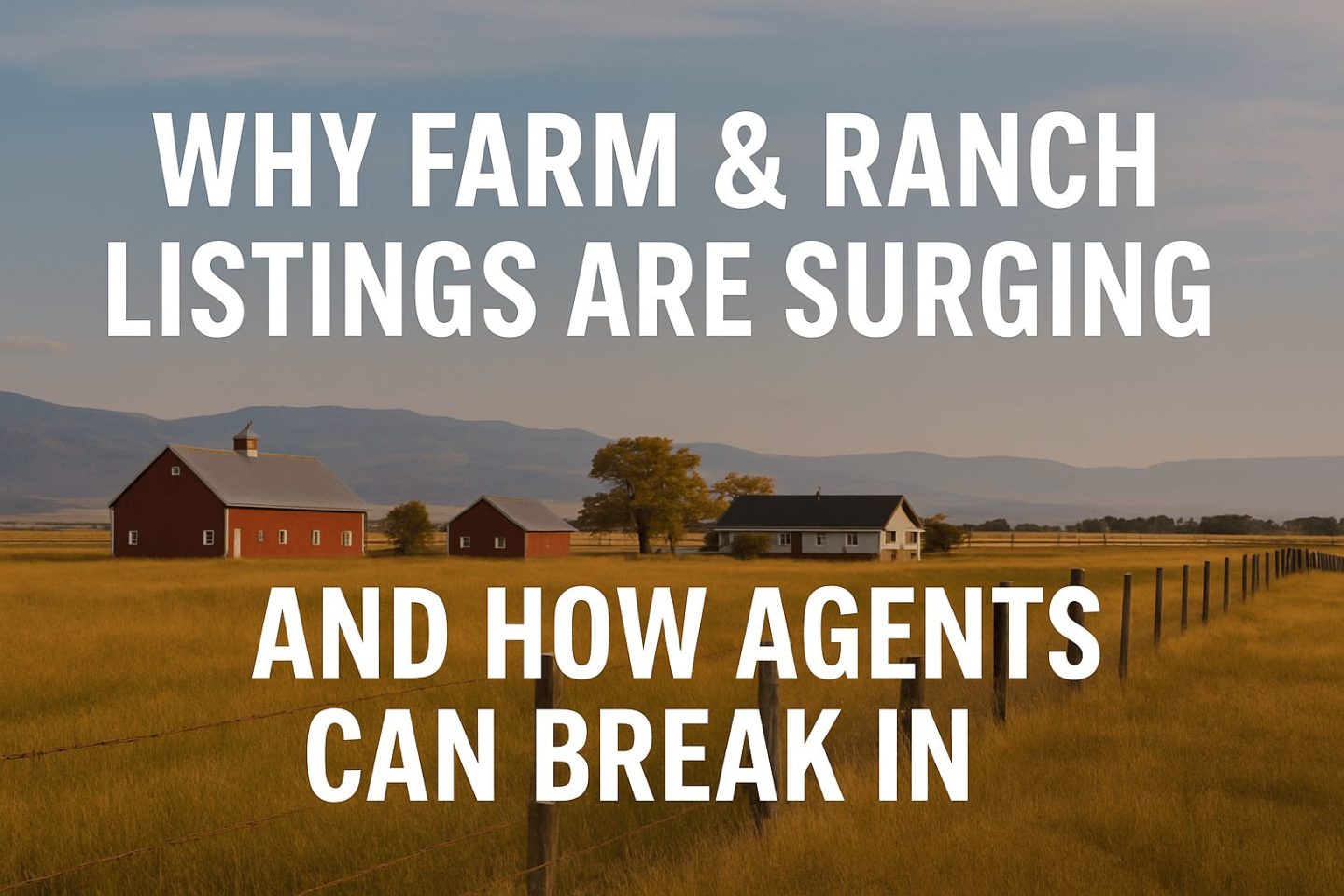
For years, farm and ranch real estate sat in a quiet corner of the housing world, driven mostly by generational turnover, agricultural demands, and long-term family planning. But in 2025, the category has been undergoing something entirely different, a full-blown surge.
More buyers than ever are looking for land, wide-open space, self-sufficiency, privacy, and investment potential that traditional residential property just can’t match. At the same time, sellers who have held property for decades are finally feeling motivated by record-high land prices, changing agricultural economics, aging ownership, and growing interest from out-of-state buyers.
This is creating one of the most compelling and profitable opportunities for real estate agents willing to step into a niche that most of their competitors still overlook.
In other words, farm and ranch real estate is no longer “rural only.” It’s emerging as a major category in the modern market.
Here’s what’s behind the surge and how agents can position themselves to win in this fast-growing segment.
Why Farm & Ranch Listings Have Been Rising in 2025
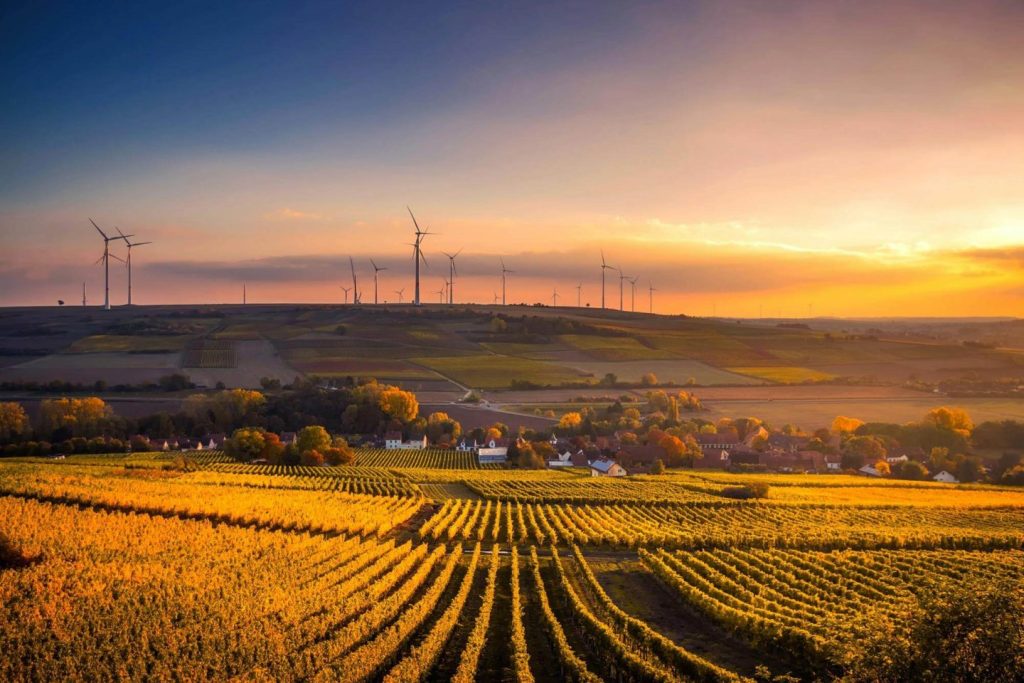
1. The Privacy & Space Movement Is Still Going Strong
The initial wave of people leaving crowded metros during the pandemic didn’t fade; it simply evolved. Buyers now have a clearer vision of what they want:
- acreage
- outbuildings
- water access
- usable land
- less restrictive zoning
People crave space to live, build, experiment, or simply breathe. Farm & ranch properties check every box, all while offering long-term upside.
2. Remote Work Made Rural Living Permanently Viable
Once remote work stopped being a temporary perk and turned into a permanent policy, it changed migration patterns. Now you’re seeing:
- tech workers buying 10–50 acres
- entrepreneurs relocating headquarters to rural markets
- families trading neighborhood subdivisions for multi-acre compounds
This isn’t a fad; it’s a demographic shift that now influences land demand nationally.
3. Investors Are Looking for Stable, Hard-Asset Opportunities
Land, especially agricultural land, has become a safe play.
Institutional investors, private equity groups, and individual investors are actively buying:
- farmland
- timberland
- hunting ranches
- recreational acreage
- mixed-use agricultural operations
With inflation still part of the economic conversation, land’s stability is incredibly appealing.
More investors = more listings moving.
4. Long-Time Owners Are Finally Ready to Sell
Many farm & ranch properties have been held for generations. But now we’re seeing:
- aging farmers and landowners cashing out
- families selling inherited property
- ranches being subdivided
- ag-to-residential transitions
- owners capitalizing on record-high land values
This turnover is creating inventory that didn’t exist just a few years ago.
5. Manufactured & Modular Homes Boost Land Demand
As affordable housing options shrink, more buyers are turning to:
- manufactured homes
- modular construction
- barndominiums
- metal buildings
- tiny homes
These structures pair perfectly with land, and buyers need acreage to place them.
Agents who understand rural zoning, land prep, utilities, and MH placement rules are already winning big.
Why Most Agents Avoid Farm & Ranch and Why That’s Your Advantage
Let’s be honest, many agents never touch land or rural listings. They’re intimidated by what they think is required:
- wells and septic inspections
- agricultural exemptions
- soil quality
- fencing and cross-fencing
- water rights
- local zoning and land-use rules
But here’s the truth: learning these basics puts you in the top 10% of agents instantly.
Most agents stay in the suburbs fighting over the same three to five listings everyone else wants.
The land niche is wide open, and growing fast.
How Agents Can Break Into Farm & Ranch Real Estate (Even If They’ve Never Done It Before)

1. Learn the Language of Land
You don’t need to be a rancher, but you do need to understand the fundamentals. Start with:
- acreage types (pasture, tillable, timber, mixed-use)
- water access (ponds, creeks, wells, irrigation)
- soil and crop considerations
- easements and access rights
- fencing and boundary markers
The more fluent you become, the more trust you’ll build with both buyers and sellers.
2. Partner With Local Experts
Build a roster of rural pros you can call anytime:
- well drillers
- septic inspectors
- farm lenders
- surveyors
- fencing companies
- appraisers who specialize in ag land
- county extension offices
This instantly elevates your credibility.
3. Use an MLS That Actually Accepts Farm, Land, & Ranch Inventory
Not every MLS treats land well, but MyStateMLS does, which is why so many land agents and auctioneers choose it. Your MLS should allow:
- unlimited acreage
- farm & ranch categories
- manufactured housing
- off-grid and unique properties
- multi-state listings
Agents using a traditional, residential-only MLS are at a disadvantage before they even start.
4. Build a Farm & Ranch Marketing Funnel
You can’t market rural property the same way as a 3-bedroom home in a subdivision. Your strategy should include:
- drone video
- mapping overlays
- soil or topography highlights
- outbuilding features
- wildlife/hunting property notes
- water and utility info
- land-use possibility charts
- fence line and boundary mapping
Buyers care less about granite countertops and more about whether the land fits their goals.
5. Get Comfortable Working with Out-of-State Buyers
A huge portion of today’s rural real estate buyers are coming from places like:
These buyers need:
- virtual tours
- parcel guides
- utility and zoning clarifications
- local introductions
- help navigating rural lending
If you serve as their “boots on the ground,” they’ll trust you instantly, and they’ll refer friends.
6. Develop a Personal Specialty Inside the Niche
You don’t need to be a generalist. Farm & ranch real estate has sub-niches that can help you stand out:
- equestrian properties
- cattle operations
- hobby farms
- timberland
- hunting/recreational land
- organic/small-scale farmsteads
- multi-use acreage for developers
- ag-to-residential transition opportunities
When your marketing says “I specialize in ___,” you attract better clients.
7. Build a Resource-Centric Online Presence
If you want to dominate this niche, the content on your site must reflect your expertise. Consider creating:
- land buyer beginner guides
- step-by-step farm property checklists
- zoning and utility explanations
- livestock starter tips
- off-grid living resources
- county-by-county land guides
- manufactured housing land placement rules
Even a handful of pages like these makes you appear far more knowledgeable than the average agent.
The Opportunity: A Market Few Agents Understand – But Many Buyers Want
Most agents are still thinking about houses, not land.
- Most buyers are expanding their search radius.
- Most investors want stable, long-term assets.
- Most families want privacy, space, and flexibility.
- Most sellers want someone who truly understands acreage.
That creates a perfect storm of unmet demand, and agents willing to learn the niche can carve out a lucrative, low-competition corner of the market.
Moving forward, farm & ranch real estate isn’t just “country living.” It’s a strategic, high-opportunity category that will only grow from here. And if you’re looking to expand your expertise, diversify your listing sources, and step into a real estate market with long-term staying power, this is the niche.
And the best part? Your competitors still haven’t realized it.
