
As we approach spring of 2025, the housing industry grapples with a context of concerning trends—nominally at the lead among them, interest rates. Real estate agents and brokers alike need to be well-read about how those rates will cause customers to purchase, which is crucial to making trend projections, creating selling strategies, and staying ahead of customer anxieties.
In this article, we break down the direct and indirect effects of interest rates on buyer psychology, affordability, and activity and what real estate professionals can expect throughout 2025.
A Quick Recap: Where Interest Rates Stand Today (roughly)
The Federal Reserve spent much of 2023 and 2024 combatting inflation with a series of rate hikes. By late 2024, rates had plateaued and even dipped slightly as inflation cooled and the economy stabilized.
As of early 2025, mortgage interest rates are hovering in the 6.25% to 6.75% range for 30-year fixed loans, with shorter-term loans slightly lower. While this is a far cry from the historically low 2–3% rates of the pandemic boom years, it’s also a relief compared to the peak rates of early 2023. That said, this “new normal” presents both challenges and opportunities—especially when it comes to how could buyers react.
1. Affordability Constraints Will Shift Buyer Demographics
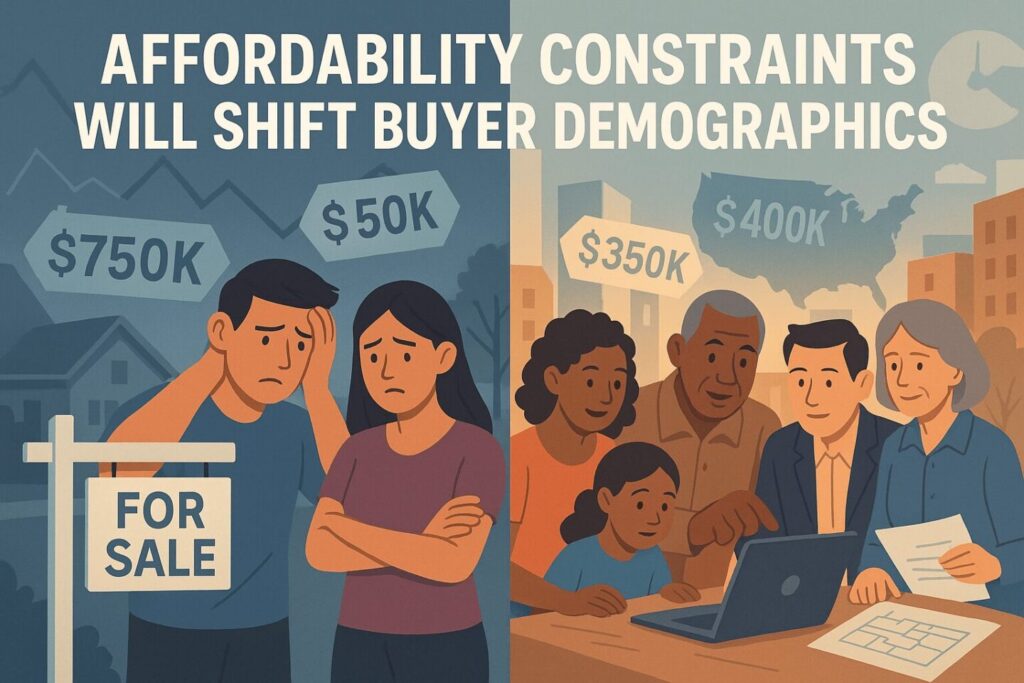
Interest rates directly affect monthly mortgage payments, which in turn impacts how much house a buyer can afford. At current rates:
- A buyer pre-approved for a $500,000 home at 3.5% might now only qualify for around $420,000 at 6.5%.
- First-time buyers, especially those without substantial savings, will feel the pinch most acutely.
Key Buyer Behavior Trends:
- Starter homes and townhouses will see increased demand as buyers downsize expectations.
- Multi-generational living and co-buying (friends or family buying together) will continue to rise.
- Cash buyers and high-net-worth individuals may gain a competitive edge due to less reliance on financing.
Strategy for Agents:
Highlight affordability calculators, lender partnerships, and programs like down payment assistance or rate buydowns when working with budget-conscious buyers.
2. Psychological Impact: “Rate Lock-In” and Hesitation to Move
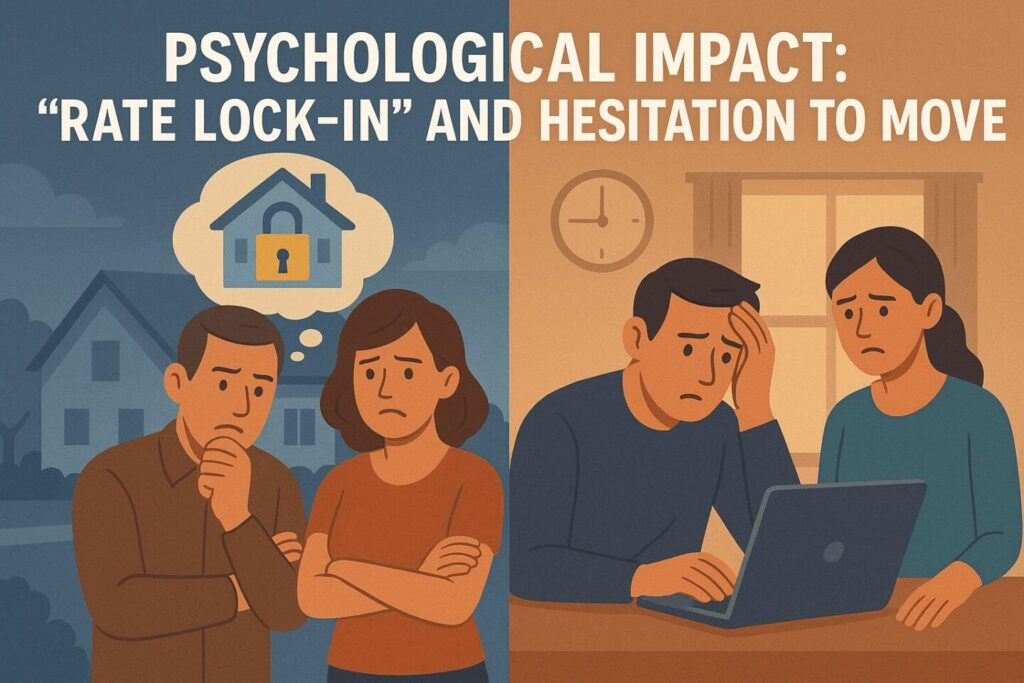
Many current homeowners have locked in ultra-low rates during the pandemic. With today’s higher rates, they’re hesitant to sell—even if they’ve outgrown their space—because they’d be giving up a 3% mortgage for one at double the cost.
This phenomenon, known as “rate lock-in,” has two effects:
- Inventory stays tight, especially in the move-up buyer segment.
- Buyers adopt a wait-and-see approach, hoping for future rate drops before committing.
Strategy for Agents:
- Emphasize lifestyle motivations (job changes, family growth, relocation) over rate concerns.
- Educate clients on the “marry the house, date the rate” philosophy—buy now, refinance later.
- Provide data-driven comparisons between renting vs buying at current rates.
3. Increased Focus on Long-Term Value and Stability
With rates no longer historically low, the impulse buying and FOMO (fear of missing out) that fueled 2021 are gone. In 2025, buyers are likely going to be:
- More discerning
- They may take longer to decide
- Prioritizing long-term financial planning
This cautious approach tends to lead to increased scrutiny of:
- Property condition
- Location Quality
- Future resale value
Buyers want to be sure their investment makes sense, especially if they’re paying more in interest over time.
Strategy for Agents:
- Prepare detailed market comps, neighborhood trend data, and long-term price appreciation estimates.
- Showcase homes that offer value-add opportunities like in-law units, ADUs, or rental income potential.
- Support the buyer’s process rather than pushing urgency.
4. Higher Demand for Creative Financing Options
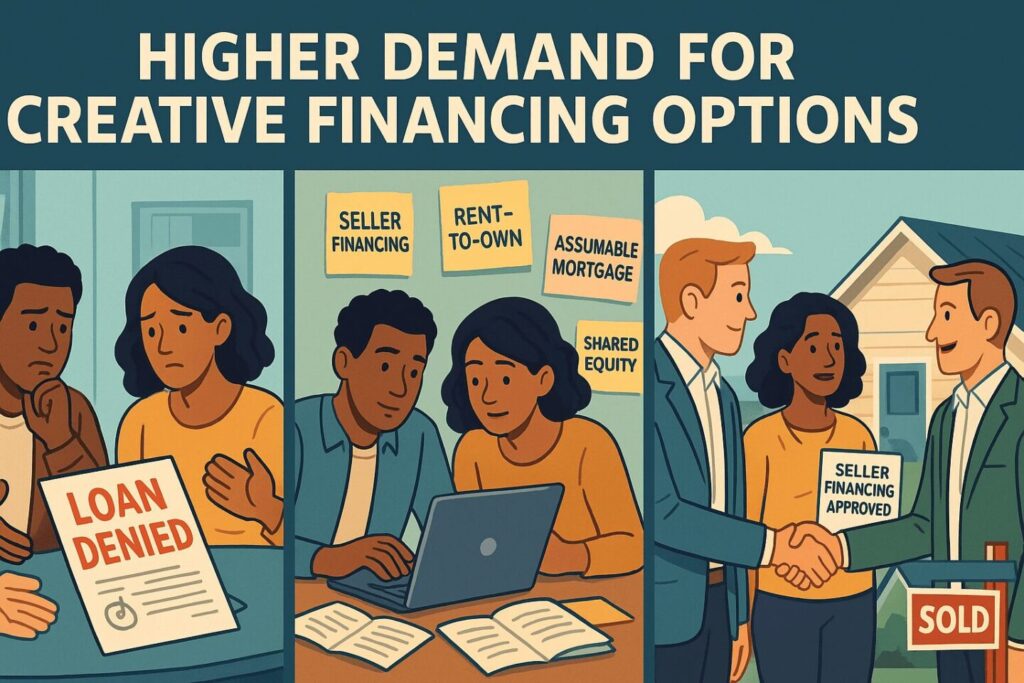
As traditional financing becomes more expensive, buyers are exploring creative mortgage products to maintain purchasing power. Expect interest in:
- Adjustable-rate mortgages (ARMs)
- 2-1 buydowns
- Seller-paid points
- Assumable mortgages (especially if the seller has a low-rate VA or FHA loan)
Buyers in 2025 are willing to accept more complex financing to make deals work—especially if it means lowering payments.
Strategy for Agents:
- Partner with mortgage professionals who offer a range of financing solutions.
- Become familiar with the pros and cons of ARMs, buydowns, and assumable loans.
- Advertise listings with assumable loans or seller concessions prominently.
5. Shift Toward Secondary and Tertiary Markets
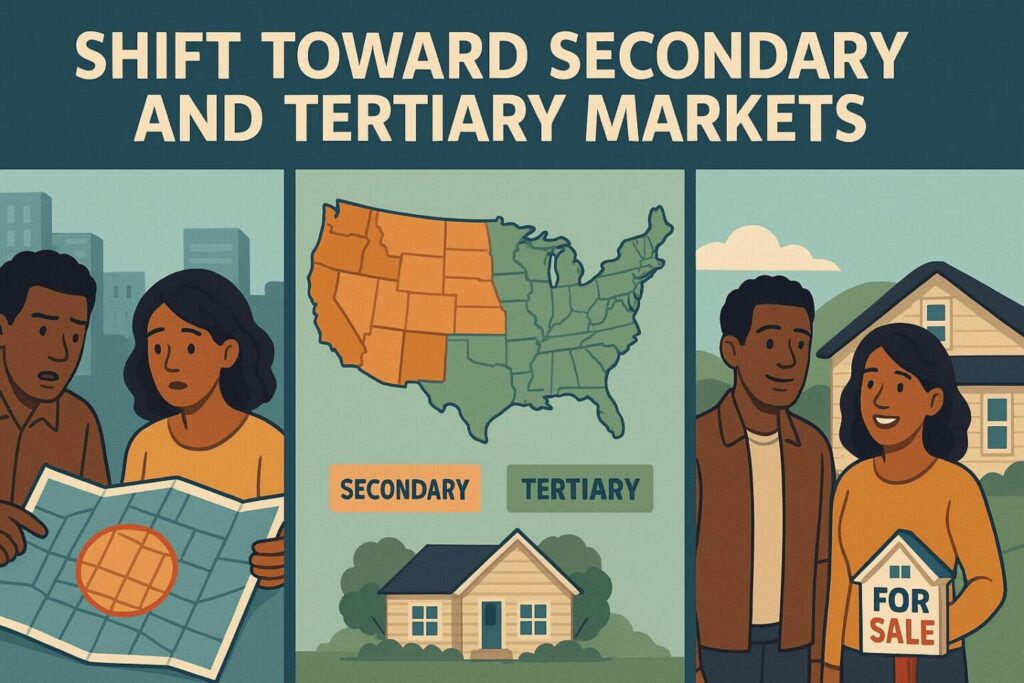
Buyers who are priced out of core metros due to high interest rates and limited inventory are broadening their search to more affordable regions. This is especially true for:
- Remote and hybrid workers
- Retirees
- First-time buyers
Secondary markets with lower home prices but decent infrastructure (schools, healthcare, broadband access) are gaining traction in 2025.
Strategy for Agents:
- Consider expanding your service area or developing referral partnerships in growing towns.
- Use geo-targeted marketing to highlight affordability in less-saturated zip codes.
- Stay on top of migration patterns from urban centers.
6. Buyers Will Favor New Construction Over Resales
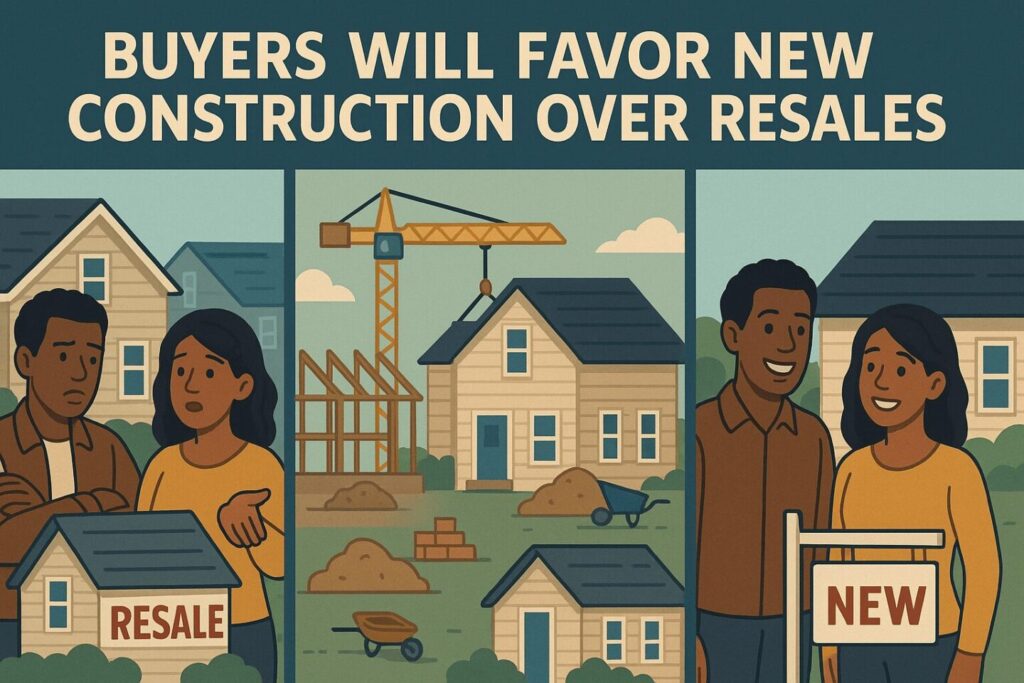
Builders are often more flexible than individual sellers when it comes to offering rate buydowns, closing cost assistance, or upgrades. As a result, many real estate buyers see new construction as a better value despite often higher sticker prices.
In 2025, builders are also becoming smarter with smaller floor plans, energy-efficient homes, and communities tailored to post-pandemic needs.
Strategy for Agents:
- Build relationships with local developers to offer your buyers early access or preferred pricing.
- Highlight the total cost of ownership, not just the purchase price—new homes often cost less to maintain.
- Help buyers understand construction timelines and interim financing options.
7. Investor Behavior Will Also (likely) Shift
Real estate investors are sensitive to interest rate movements, but they also view rising rates as an opportunity—especially if prices stabilize or fall in certain markets.
In 2025:
- Buy-and-hold investors will remain active, seeking cash-flow properties in high-rent areas.
- Fix-and-flip activity may slow, but experienced operators will keep going, targeting distressed sellers.
- Institutional investors may return to single-family rentals if mortgage demand softens.
Strategy for Agents:
- Learn to analyze deals from an investor’s perspective (ROI, cap rate, cash-on-cash).
- Build marketing campaigns tailored to landlords and real estate entrepreneurs.
- Leverage tools like MyStateMLS and off-market listings to find investment-worthy properties.
What Happens If Rates Fall in Late 2025?
The million-dollar question: will the Fed cut rates later this year (like we’ve often heard they would)? If inflation remains under control and economic growth cools, it’s possible. A rate drop—even by half a point—could:
- Unleash pent-up demand from rate-locked sellers
- Cause a wave of refinancing
- Heat up bidding wars in high-demand real estate markets
Be Prepared for Two Scenarios:
- If Rates Drop: Prepare your buyers to act quickly and get pre-approved before the crowd returns.
- If Rates Stay Flat, Keep emphasizing stability, long-term equity, and creative financing options.
Either way, agents who are proactive, educated, and relationship-driven will thrive.
Final Thoughts: Opportunity Lies in Understanding the Buyer Mindset
Interest rates will undoubtedly shape buyer behavior in 2025—but they’re not the only factor. Life changes, economic realities, and personal goals still drive most decisions. Your job as a real estate professional is to help clients see the full picture. By focusing on education, empathy, and expert guidance, you’ll not only close more deals—but you’ll also build lasting trust in a changing market.
