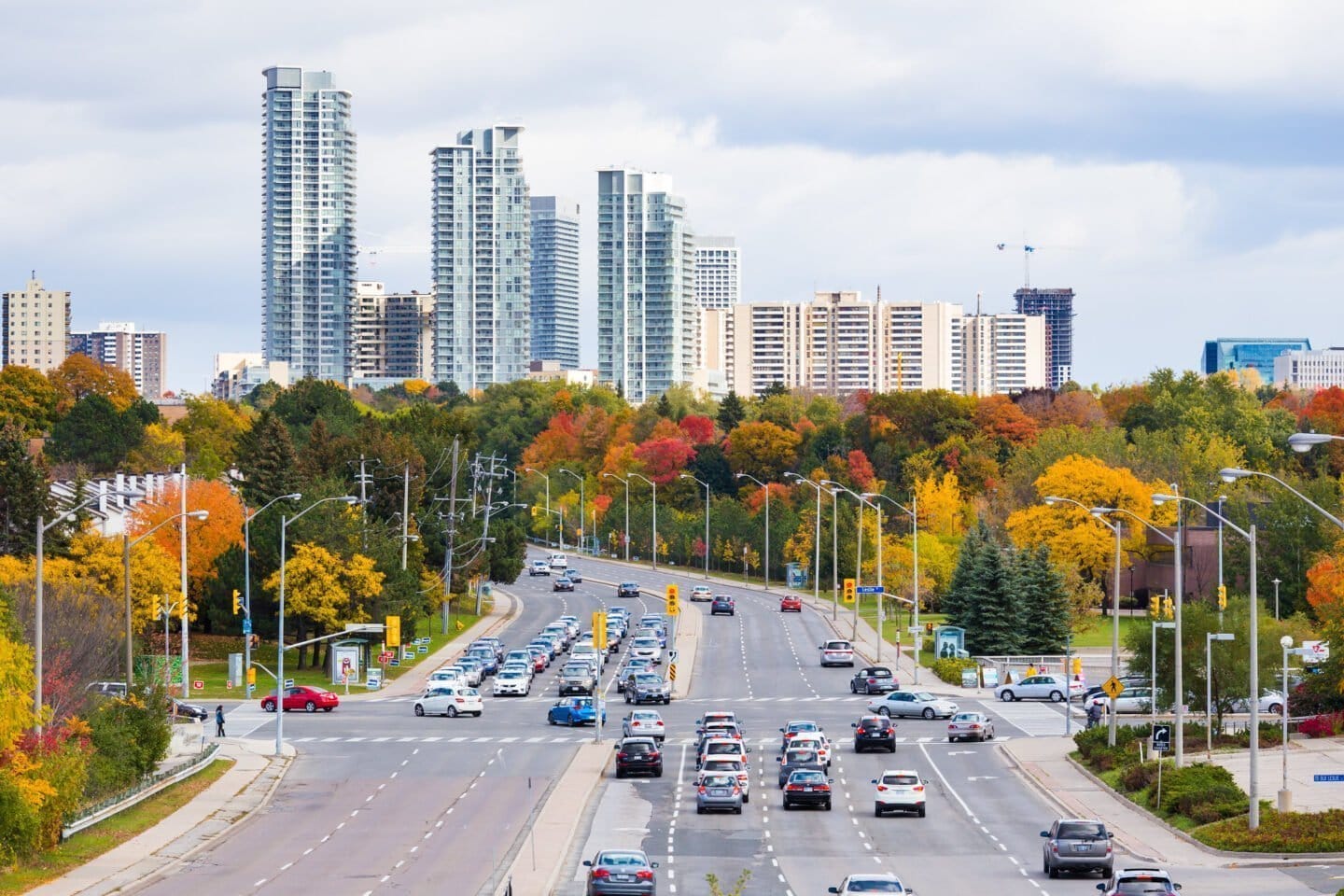
In the fabric of contemporary life, the word “suburban area” has become an enduring thread. Between the city’s bustling landscapes and peaceful countryside, the suburban areas create an exclusive space in the modern world.
We’ll explore the complexities of living in a suburban setting, from its definition to its pros and cons. We will help you decide whether this is the best one for you.
Many potential buyers think about the distinctions between suburban and city living if they’ve not lived outside the town. The team at MyState MLS does an excellent job of laying out the advantages and disadvantages of each living space.
Let’s discuss what you need to be aware of.
Suburban Defined: Unraveling the Essence of a Suburb
A suburb, also known as a suburb, covers areas that are located on cities’ peripherals. It’s a bridge between the rural and urban and combines city living and the peace of the countryside.
The fundamental characteristic of a suburb is its residential aspect, which is defined by medium to low population density, single-family homes, and a high percentage of green areas.
What Does Suburb Mean?
A suburb is a geographic region at the edge of a town or city. It’s a neighborhood where people reside, usually to escape urban life’s chaos and frantic pace.
Suburbs can vary in dimensions, style and amenities but usually provide a more relaxing and family-friendly vibe than urban centers.
Suburban Neighborhood: A Glimmer into Suburban Living
An urban neighborhood can be described as a microcosm of a suburban zone. It is a collection of homes, typically single-family houses. It is dotted with local amenities like parks, schools and shopping centers.
Suburban communities provide a sense of belonging and are often places where people can feel safe and peaceful.
Suburban Meaning: Balancing Urbanity and Serenity
The significance of suburbanity lies in creating a balance between the convenience of urban facilities and peaceful countryside spaces.
Suburbs are a good compromise for those who want to be close to employment opportunities and cultural amenities but also want more tranquil and spacious living spaces.
Suburban Community Suburban Community: Suburban Community: Bond that Binds
A suburban community is formed from the interactions and experiences of people living in an area of suburbanization. They are often centered around local events, schools, and neighborhood associations. They promote interpersonal relationships and a sense of community that fosters a sense of belonging.
Suburban and Urban Neighborhoods: Understanding the Differences
Urban and suburban communities are distinct living types with different features and characteristics.
What Sets Suburban and Urban Neighborhoods Apart?
Suburban Neighborhoods:
- Lower population density.
- Large single-family homes that have yards.
- More parks and green spaces.
- Less crowded and quieter streets.
- The emphasis is on peace and privacy.
Urban Neighborhoods:
- Higher population density.
- The majority of homes are condominiums and condos.
- The green space is limited, so it is more concrete.
- Traffic jams on streets, with higher levels.
- Accessibility to a variety of entertainment and cultural options.
Pros of Living in a Suburban Neighborhood
- TRANQUILITY and OPEN Spaces: Suburban neighborhoods offer an idyllic setting with plenty of green spaces. They provide residents with a break from the bustle and craziness of urban life.
- FAMILY-FRIENDLY ATMOSPHERE Suburbs typically have good schools, safe communities and family-friendly facilities, making them an appealing option for families with children.
- A SENSE of Community: Closer-knit communities in suburban areas strengthen relationships between neighbors, creating a supportive network and a feeling of belonging.
- Reduced Cost of Living: Compared to urban regions, the cost of living in the suburbs could be less expensive, particularly in terms of the cost of housing.
- More Options for New Construction: Living in the suburbs allows the purchase of new construction houses.
Cons of Living in a Suburban Neighborhood
- TRANSPORTATION AND COMMUTE Suburbs may require longer trips to urban centers of employment, leading to increased travel time and possible congestion in traffic.
- Limited CULTURAL AMENITIES Suburban areas might have fewer entertainment and cultural opportunities than cities, requiring residents to travel further for specific experiences.
- DEPENDENCY ON VEHICLES: Due to the design and infrastructure for transportation, suburbs typically require a greater dependence on private automobiles.
- Potentially ISOLATION Although communities are close-knit, living in suburban areas could seem lonely for people looking for a more lively and diverse social life.
Is Suburban Living Right for You?
Deciding if suburban living is compatible with your preferences requires considering your needs and priorities. The suburbs could be the ideal choice for those who value a tranquil setting with a strong sense of belonging and a friendly family environment.
However, If you are a fan of culture, want an active lifestyle and want accessibility to various options, then urban living could be a better fit.
In the end, suburban areas represent an ideal balance between urban and rural, providing a distinct blend of peace and convenience.
Knowing the intricacies of living in the suburbs, their pros and cons, allows you to make an informed choice regarding the place that aligns with your goals and ideals.
Final Thoughts
In terms of housing options, suburban living is the perfect blend of peace and social interaction, a far cry from the city’s bustling landscape.
When considering the advantages and disadvantages, people can determine if the lure of big homes, strong bonds with the community, and a tranquil setting align with their needs.
The ultimate decision to embrace suburban living depends on one’s style and dreams.
