
When most real estate agents hear “manufactured housing,” their minds jump to trailer parks or outdated mobile homes sitting in dusty lots. But that outdated image is keeping far too many professionals from seeing what’s actually happening in this space: a full-blown transformation. From sleek prefab homes and modern manufactured builds to energy-efficient tiny homes and hybrid modular setups, this corner of the market is quietly becoming one of real estate’s most dynamic and misunderstood niches. And agents who get in early? They’re setting themselves up to ride the wave others haven’t even noticed.
So, if you’re still on the fence—or haven’t thought about this segment at all—here’s your guide to understanding what manufactured housing actually includes, why it’s gaining traction, and how real estate professionals can tap into a niche that’s bursting with opportunity.
What Counts as Manufactured Housing?
Let’s start by clearing up the confusion. Manufactured housing isn’t a single category—it’s a broad umbrella that covers several forms of factory-built or semi-permanent homes. These are properties that aren’t built entirely on-site, which differentiates them from traditional stick-built construction.
Here are the most common types of agents should know:
1. Manufactured Homes (HUD Code Homes)
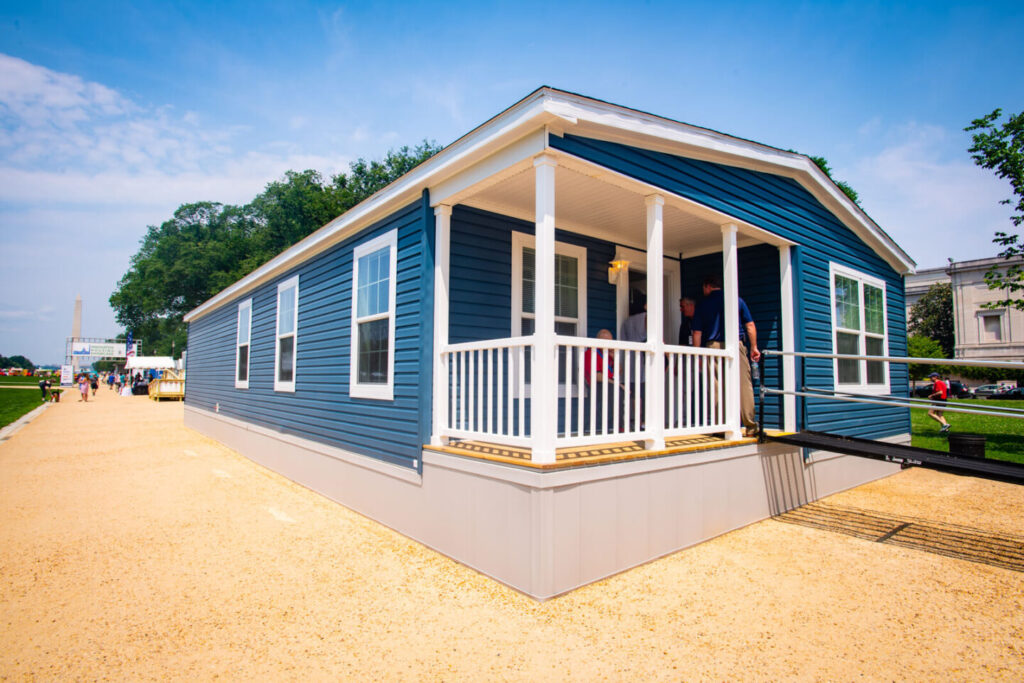
These are factory-built homes constructed after June 15, 1976, under the U.S. Department of Housing and Urban Development (HUD) building code. They’re transported to a site in one or more sections and can be placed on either leased land or privately owned lots. They come in three major formats: Single-wide, Double-wide, Triple-wide or multi-section. Manufactured homes often resemble traditional homes in design and amenities but typically cost 30–50% less per square foot.
2. Mobile Homes (Pre-1976 Homes)
The term “mobile home” is often used interchangeably with “manufactured home,” but technically, it refers to homes built before the HUD code was enforced. While many are still livable and legally marketable, they may not meet modern standards or qualify for traditional financing.
3. Modular Homes

These homes are also factory-built but are assembled on a permanent foundation and are treated just like site-built homes by zoning and lending institutions. Each section (or “module”) is delivered to the building site and assembled there, allowing for high customization and high-end finishes.
Modular homes:
- Follow local building codes (not HUD code)
- It can be two stories or more
- Often appreciate in value just like stick-built homes
4. Tiny Homes
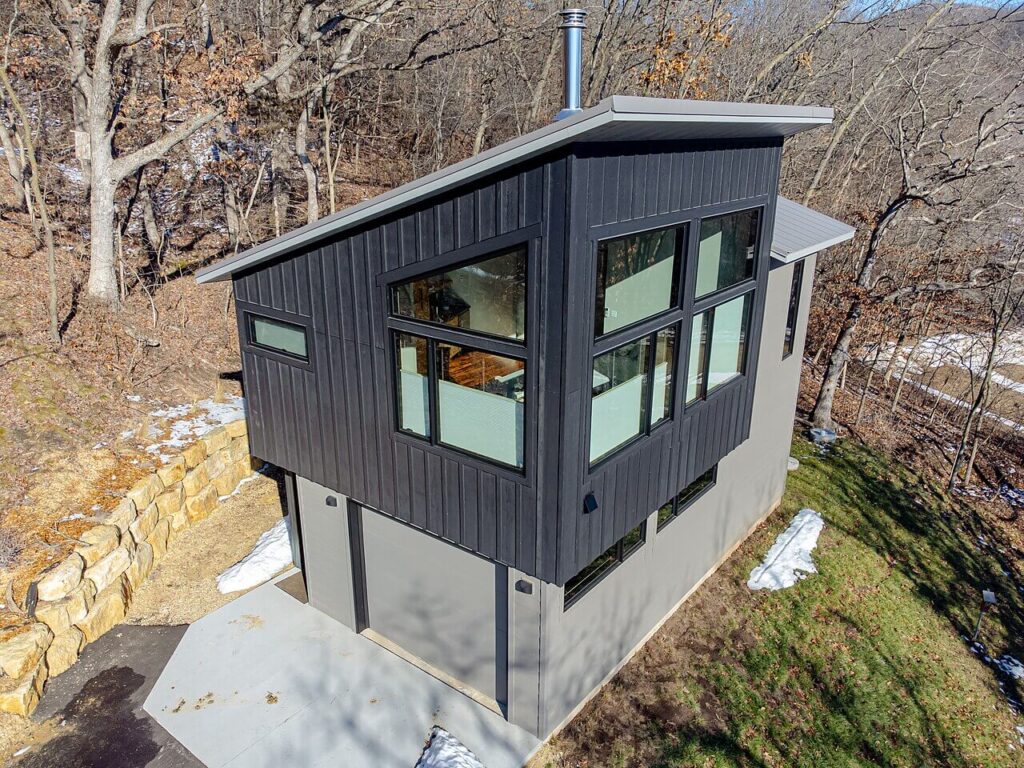
The tiny home movement has exploded—especially with younger buyers, retirees, and off-grid dreamers. These homes are typically under 400 square feet, often on wheels, and can be placed in tiny home villages, RV parks, or private land. Some are built to RV code, while others follow manufactured or modular specs. Either way, they offer affordability, mobility, and sustainability all in one.
5. Park Model Homes (PMRVs)
A hybrid of tiny homes and RVs, these are built for long-term placement in RV parks or resorts. They’re often used as vacation homes or seasonal dwellings and feature compact luxury living with high rental potential.
Why This Niche Is Often Undervalued

Let’s be real—manufactured housing has always had a branding problem. Ask a room of agents who would list a double-wide in a rural area, and you’ll hear crickets. But that hesitation isn’t based on data—it’s based on outdated perceptions. Here’s why that could be a mistake:
1. Massive Demand from Affordability-Driven Buyers
With home prices skyrocketing in many markets, first-time buyers, retirees, and downsizers are all looking for affordable alternatives. Manufactured homes fit the bill perfectly, offering livable, customizable spaces for a fraction of the price.
2. Rental and Investment Potential
Manufactured homes—especially when placed in parks or as ADUs (accessory dwelling units)—can provide excellent rental cash flow. They’re cheaper to buy, require less maintenance, and can be rented at solid margins. That said, real estate investors are increasingly looking at manufactured housing as a low-risk way to expand their portfolios.
3. Financing and Lending Options Are Expanding
Historically, financing has been a barrier for this market. But now, more lenders are offering conventional loans, FHA loans, and even VA options for manufactured and modular properties. Plus, specialized loan products and financing support from builders like Clayton Homes, Cavco, and Champion make it easier for buyers—and agents—to complete transactions.
4. Zoning Laws Are Shifting
Many cities and counties are opening up-zoning to allow ADUs, tiny homes, and manufactured housing, especially in areas with housing shortages. This opens the door for agents to help clients place these homes in non-traditional spaces and, in some cases, even develop small-scale communities.
Why Agents Should Pay Attention
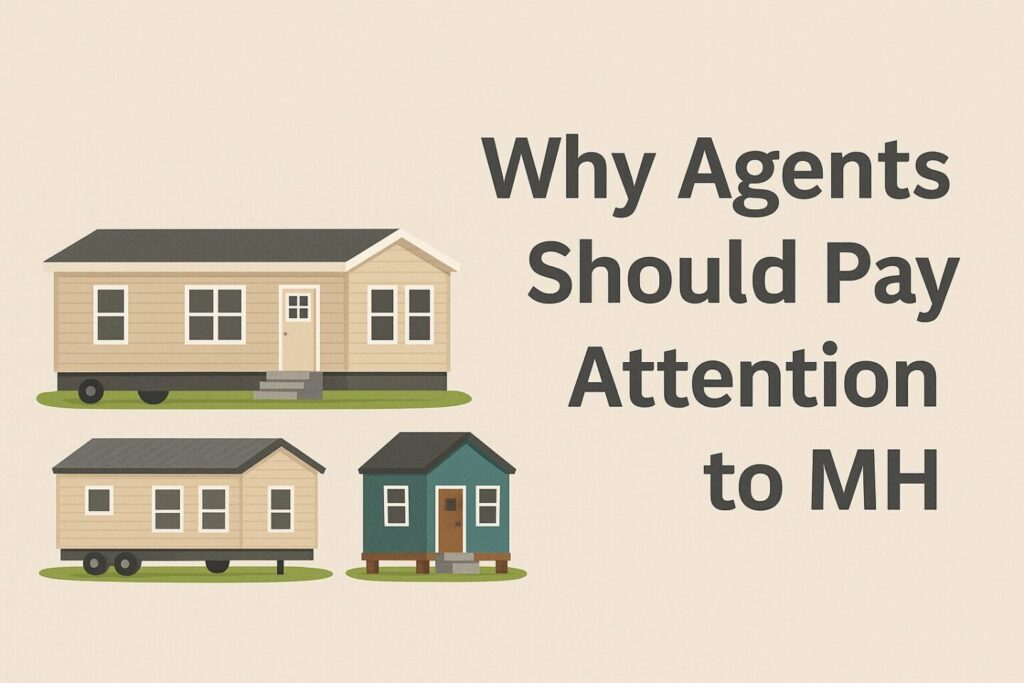
If you’re ignoring this space, here’s what you’re potentially missing out on:
A Growing Buyer Base
Millennials and Gen Z buyers aren’t necessarily dreaming of 3,000-square-foot McMansions. They want efficient, affordable, smart homes—many of which fall under the manufactured/modular/tiny umbrella.
Less Competition
While everyone else is chasing luxury condos or suburban subdivisions, the manufactured housing space is under-served by licensed agents. That means less competition for listings and more opportunity to become a local authority.
Unique Niches Within the Niche
Want to get creative with your marketing? You can specialize in:
- Park models and vacation homes
- Sustainable and off-grid tiny homes
- Multi-section HUD homes in rural markets
- Modular homes for infill development
These micro-niches let you build a brand with real visibility.
Access to MLS & Syndication Tools
Listing and promoting these homes is easier than ever. Sites like MyState MLS, MHAuthority, and others make it possible to syndicate listings to major platforms and get exposure—even for homes outside traditional site-built zones.
These platforms specialize in non-traditional inventory, giving you a powerful edge that most standard MLSs don’t support.
Getting Started: How to Become a Pro in This Space
You don’t need to reinvent your career—just shift your mindset. Here’s how to get started:
Learn the Lingo
Understand the difference between manufactured, modular, mobile, park models, and RVs. Each has its own rules, financing options, and zoning considerations.
Find the Communities
Many buyers and sellers in this space are in:
- 55+ manufactured housing parks
- Rural markets with land
- Vacation zones with park models
- Urban ADU-friendly neighborhoods
Tour these communities. Talk to local park managers. Know the inventory.
Partner with Builders and Lenders
Get to know the reps at companies like Clayton Homes or Skyline Champion. Align with lenders who specialize in manufactured/modular financing. They’ll become your best referral sources.
Market Like a Pro
Use MLS alternatives like MyState MLS and MHAuthority to list and promote your manufactured housing inventory. Traditional MLS systems often block or limit these listings, so go where the visibility is higher.
Educate Your Clients
Many buyers have no idea these homes are even an option. Be the agent who introduces them to:
- The lower monthly cost
- The potential for land ownership
- The flexibility and customizability
You’ll look like a hero—and likely win referrals from your clients for life!
Overall: Opportunity Is Hiding in Plain Sight
Manufactured housing isn’t some fringe market—it’s the future of affordability, especially as the U.S. continues to grapple with housing shortages, wage stagnation, and rising interest rates. It’s misunderstood, underserved, and—if you ask most agents—undervalued. But for those willing to dive in, build relationships, and educate their audience, it’s a goldmine of opportunity.
If you’re looking to stand out, serve more buyers, and future-proof your business, manufactured housing isn’t something to dabble in. It’s a niche to master. Because while everyone else is chasing million-dollar listings, you could be quietly closing deals that others don’t even know exist.
